
Plaster Repair in Older MetroWest Homes: What's Normal and What's Not
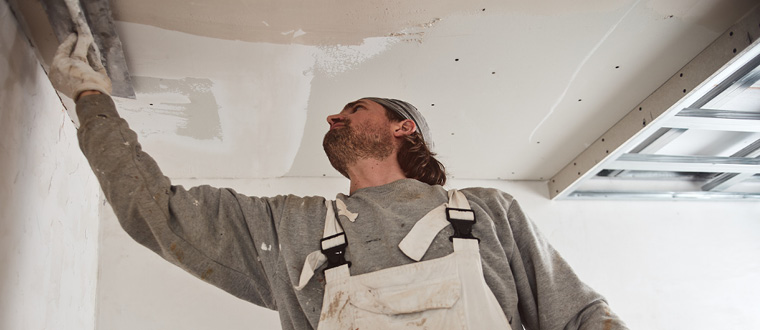
Your House Is Talking. Here's How to Listen.
MetroWest Massachusetts is full of homes with original plaster — colonials, Victorians, capes built before drywall took over. Plaster is a great wall system. It lasts a century when it's healthy. But it cracks, and when it does, homeowners face the same question: is this normal aging or a real problem?
Cracks That Are Normal
- Hairline cracks — thin, shallow, following no particular pattern. These come from seasonal expansion and contraction, minor settling, and a hundred years of temperature swings. They're cosmetic. They get filled during normal repaint prep.
- Small spider-web cracking in old finish coats. Also cosmetic. Common in houses 60+ years old.
- Cracks around door and window frames. Wood framing moves with the seasons; plaster doesn't flex. Some cracking at these joints is expected over decades.
Cracks That Need Attention
- Cracks you can fit a coin into. Wide cracks suggest movement, not just aging.
- Cracks that keep coming back after being patched. The patch isn't the problem — something is still moving underneath. Filling it again without addressing the cause is wasted money.
- Bulging or sagging plaster. If the wall feels soft, sounds hollow when tapped, or visibly bows, the plaster has separated from the lath behind it. This needs repair, not patching.
- Stair-step cracks in a clear pattern, or cracks that appeared suddenly after construction nearby, a new roof, or structural work. Worth a professional look.
- Water damage. Stains, bubbling, crumbling plaster near bathrooms, roofs, or exterior walls. Fix the leak first, then the plaster.
How Proper Plaster Repair Works
Not all "plaster repair" is equal. Here's what a lasting repair involves:
- Cut back to solid material. Failed plaster gets removed back to where it's firmly attached. Patching over loose plaster just gives the failure a fresh coat of paint to take down with it.
- Reattach where possible. For sagging ceilings and bulging walls, plaster washers and adhesive systems can re-secure original plaster to the lath — preserving the original wall instead of replacing it.
- Rebuild in layers. Deep repairs get built up in coats, like the original, not filled in one thick pass that shrinks and cracks.
- Match the texture. Old plaster has a character — slight variations, hand-troweled finish. A good repair blends in instead of leaving an obvious flat patch.
- Skim coating for walls that are sound but rough: a thin coat over the whole surface gives you smooth, paint-ready walls while keeping the original plaster underneath.
Why Not Just Drywall Over It?
Sometimes that's the right call — badly failed walls, gut renovations. But drywalling over plaster changes the house: you lose trim depth around windows and doors, outlets and switches need extending, and the room literally gets smaller. For most repairs, fixing the plaster is cheaper, faster, and keeps the home's character. In MetroWest's older housing stock, original plaster in good shape is a selling point, not a liability.
Plaster First, Paint Second
Here's the mistake we see most: a painter paints over damaged plaster, the cracks come back through the new paint within a year, and the homeowner pays twice. WM Painting & More provides both plaster repair and painting, so one company owns the whole wall — and the whole thing falls under our 2-year warranty.
Seeing cracks you're unsure about? Call WM Painting & More at (508) 625-5610 for a free look — or book your free estimate online: https://calendar.app.google/NyjWq8cvftNrCaMR8. We'll tell you honestly what's cosmetic and what needs repair — no charge, no pressure. Based in Marlborough, serving MetroWest and Central Massachusetts. Licensed, insured, family-owned since 2012.
Get Your Free Plaster Repair Estimate
Call us or book online — same or next day estimates.